

When visiting Dalmatia, you might often hear locals mention the word “konoba.” At first, it might simply sound like a restaurant or tavern—but a konoba is much more than a place to eat. It is a heart of Dalmatian culture, a space where history, family, and community meet.
What Is a Konoba?
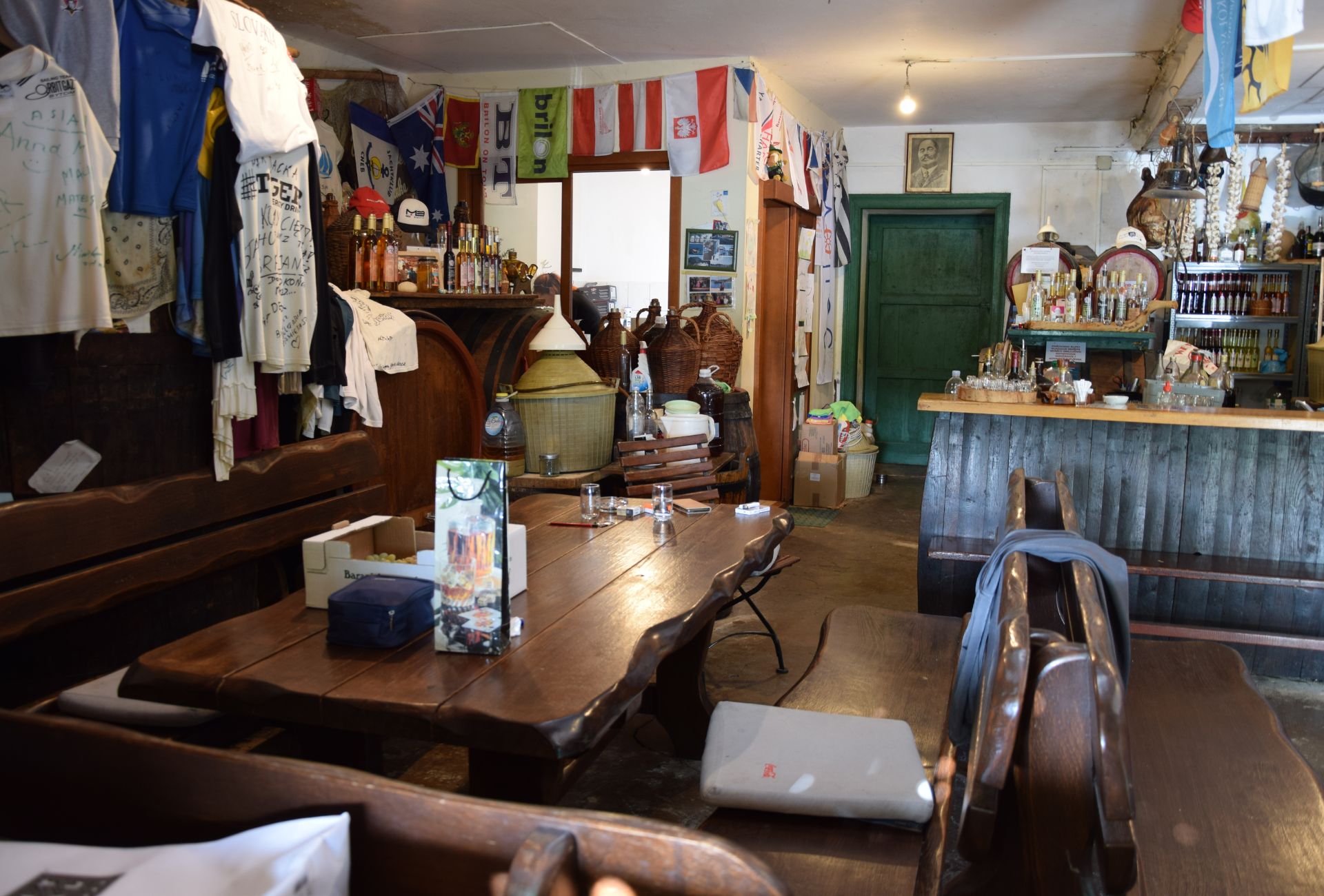
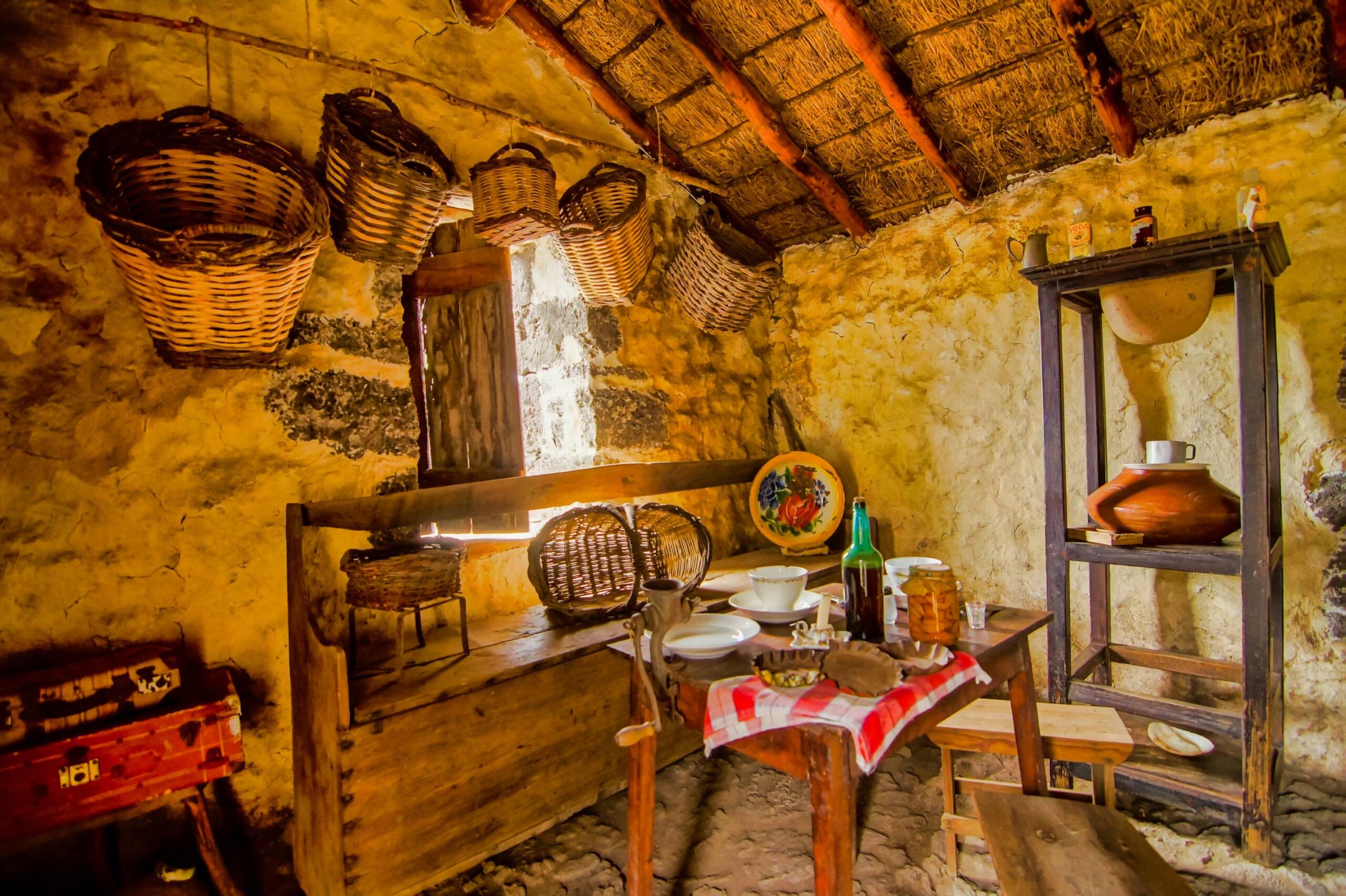
A konoba is a traditional Dalmatian eatery, often family-owned, usually located in a stone house with a rustic charm. Many are tucked away in old villages, along the coastline, or even on vineyards and olive groves. Unlike modern restaurants, konobas focus on authenticity, local ingredients, and traditional recipes.
More Than Just Food
In Dalmatia, a konoba is not only about the meal—it is about connection. Families gather here to share stories, fishermen and farmers meet to discuss the day, and visitors are welcomed into the rhythms of local life. The atmosphere is informal, warm, and rooted in centuries-old traditions.
The Menu: Taste of the Region
Konobas serve dishes that reflect Dalmatia’s unique geography and history:
- Fresh seafood from the Adriatic, simply grilled with olive oil and herbs.
- Slow-cooked meat dishes like peka (meat and vegetables cooked under a bell-shaped lid with embers).
- Seasonal vegetables, olives, and bread made from traditional recipes.
- Homemade wines, rakija (fruit brandy), and olive oil produced in the region.
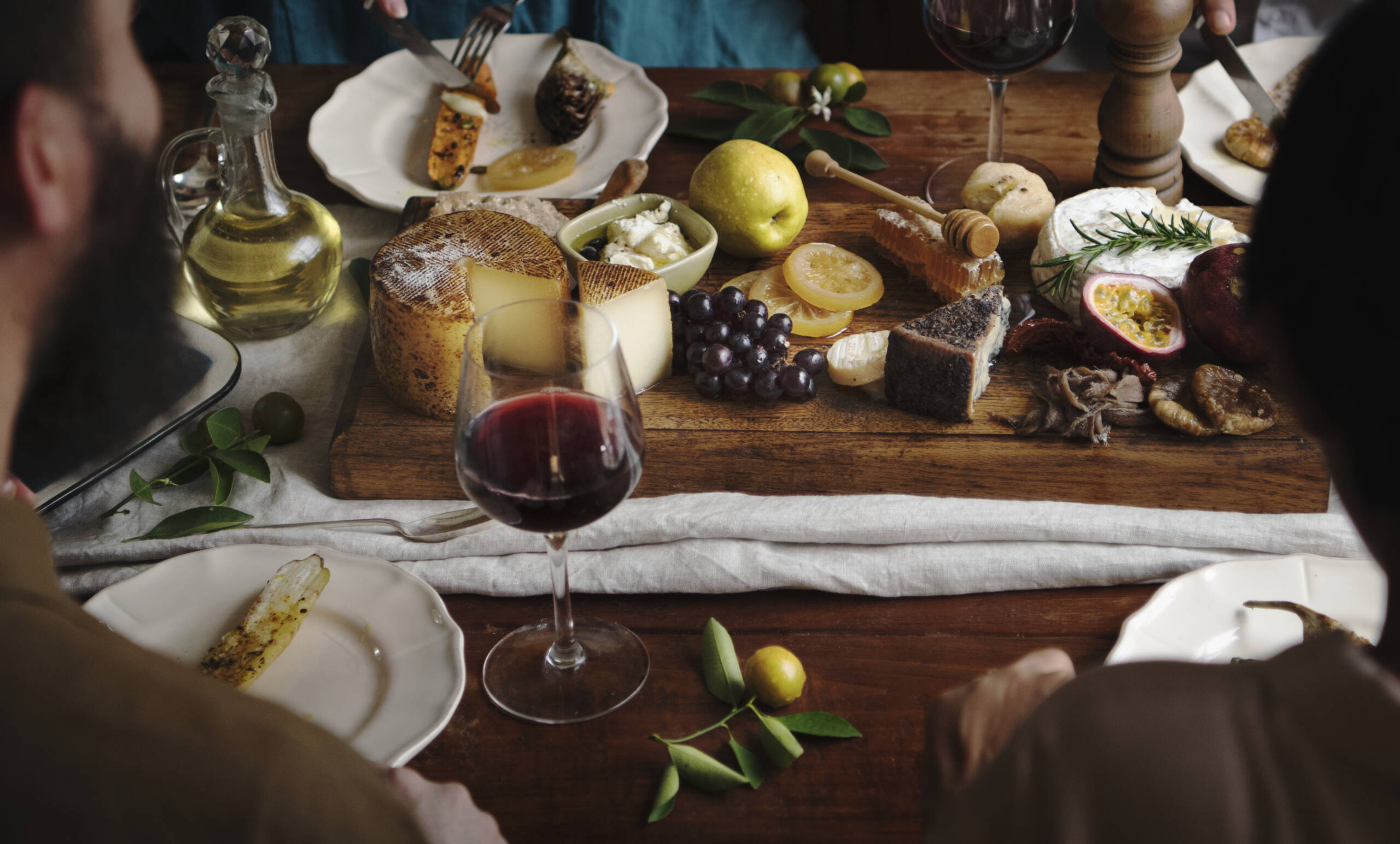
- Local prosciutto and cheese


Why Konobas Are Important to Dalmatians
For locals, konobas represent heritage and identity. They are places to preserve culinary traditions, strengthen social bonds, and celebrate life’s simple pleasures. Many families pass down recipes and even the management of the konoba from one generation to the next. So if you want to spend a Dalmatian night the right way – spend it in a konoba!